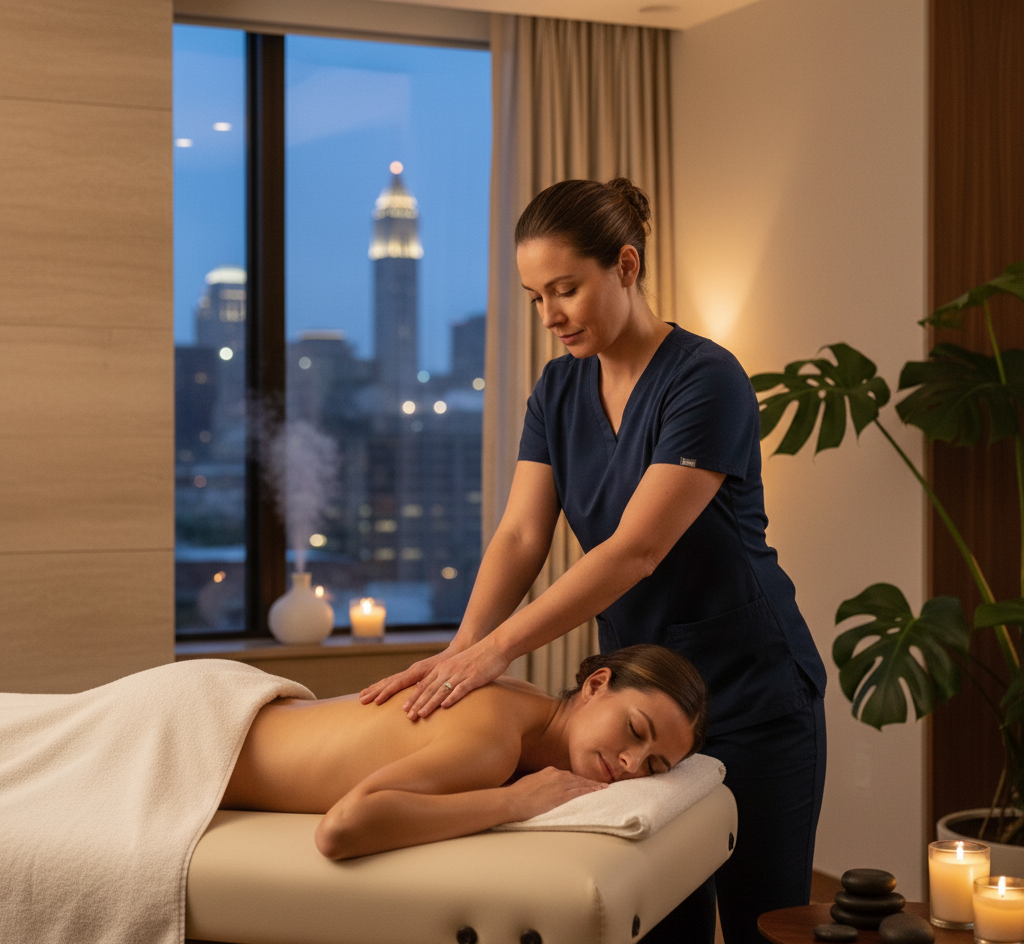
I remember the first time I walked into a quiet treatment room and felt tension melt away—that kind of relief is why I recommend a relaxing massage in Columbus, OH, to anyone juggling work, family, and the fast pace of city life. The science behind massage for stress reduction and pain relief is well established, and the Centers for Disease Control and Prevention has useful guidance on physical activity and musculoskeletal health that supports using therapeutic touch as part of a healthy routine https://www.cdc.gov/. In this guide I’ll walk you through what to expect, the latest trends I’m seeing in the spa world, how to pick the right treatment for your needs, and practical tips for booking and preparing so your time in Short North, German Village, Clintonville, or wherever you are in the city actually delivers the calm you want.
Why a relaxing massage in Columbus, OH, matters right now
Columbus is growing fast, and that’s great for restaurants, arts, and careers—but it also means more commuting, more screen time, and more muscle tension. A skilled massage is more than a luxury: it’s a targeted way to reduce stress hormones, improve circulation, ease chronic neck and shoulder pain from remote work, and help you sleep better. Over the past few years I’ve noticed more people scheduling massages not just after a busy week, but as preventative self-care. That mindset shift makes sessions more effective long-term.
Top massage types I recommend in the city
Different goals call for different techniques. Here are the most useful and relaxing modalities you’ll find at reputable Columbus massage spas.
- Swedish massage: Gentle, flowing strokes to promote relaxation and overall well‑being. Ideal if you want stress relief without deep pressure.
- Deep tissue massage: Slower, firmer pressure that targets deeper muscle layers for chronic knots and postural pain. Best for persistent tension in the neck, shoulders, and lower back.
- Sports and recovery massage: Designed to help athletes and active people recover faster after runs, strength training, or weekend hikes around the Scioto Mile.
- Myofascial release and trigger point therapy: Focused techniques for stubborn tight spots that don’t respond to general massage.
- Restorative or slow-flow sessions with aromatherapy: Combination treatments that use calming essential oils and slower pacing to encourage deep relaxation and better sleep.
Trending treatments to watch for
Two trends I’m seeing in reputable Columbus studios are becoming mainstream: CBD-infused topical therapies and recovery-focused approaches that combine massage with light technology, like infrared heat or compression tools. CBD topicals can add an extra layer of anti-inflammatory comfort for some clients, while recovery packages often include targeted stretching and myofascial release to get you out of pain faster. If you’re curious about either one, ask how the spa integrates these safely into a session.
How to choose a massage spa in Columbus
Picking the right place changes the experience. Here’s what I personally look for when choosing a spot in the Short North, German Village, or near Ohio State campuses.
- Licensed therapists: Check for state licensure or certification. A good therapist explains their training and the intended outcome of the treatment.
- Clear service descriptions: Quality spas list what each massage includes, duration options, and whether add-ons like hot stones or aromatherapy are available.
- Comfort and cleanliness: The room should be quiet, clean, and properly heated; these basics matter for relaxation.
- Communication style: Your therapist should ask about pressure, pain points, medical history, and consent for particular techniques.
What to expect during a relaxing massage appointment
I find that knowing the flow of a session removes anxiety and lets you relax faster. Most relaxing massage appointments follow a simple pattern:
First, you’ll fill out a short intake form that covers health conditions, allergies, and what you want from the session. The therapist will then review it and ask any follow-up questions. During the massage, therapists usually check in about pressure and comfort. After the session, expect a few practical post-care tips—hydrate, avoid heavy lifting for a few hours, and try to rest if you can.
How long should a session be?
For full-body relaxation, 60 to 90 minutes is ideal. Shorter 30-minute sessions can target problem areas like the upper back if you’re short on time, but give yourself longer if you want the lingering calm that carries into the evening.
Real problems a relaxing massage can solve
People come to massage for many reasons beyond “pampering.” Here are common complaints I see and how focused massage helps:
Neck and shoulder pain from long hours at a desk responds well to a combination of deep tissue and myofascial techniques. Headaches tied to muscle tension often ease after a short course of regular sessions. Poor sleep and high stress can improve with calming, slow-paced massages that reduce physiological arousal and promote better rest.
Practical tips to get the most from your session
Little habits before and after your appointment make a big difference. I use these tips personally and recommend them to friends and clients:
- Arrive 10–15 minutes early so you’re not rushed; breathing and a few minutes of quiet before the session start your body’s relaxation response.
- Communicate openly about pressure and areas to avoid—it’s normal to ask for adjustments during the massage.
- Drink water after the session to help flush out metabolic byproducts released from tissues.
- Schedule follow-ups proactively if you’re addressing a chronic issue; one session rarely fixes long-standing posture or pain patterns.
What to ask before you book
Good questions save time and improve results. When calling or booking online, I recommend asking:
- Is the therapist licensed, and how much experience do they have with my issue?
- Do you offer packages or memberships if I want regular treatments?
- What is your cancellation policy, and how early should I arrive?
Memberships and packages
Many clients in the city choose monthly memberships for predictable self-care. If you’re coming in weekly or every couple of weeks, memberships often save money and ensure consistent scheduling. If you prefer flexibility, ask about bundled sessions you can use over a set period.
Safety, contraindications, and communicating with your therapist
Massage is safe for most people, but it’s not always appropriate. Tell your therapist if you have recent surgeries, cancer, uncontrolled high blood pressure, blood clots, or infectious skin conditions. If you’re pregnant, look for therapists trained in prenatal massage. A responsible therapist will adapt pressure, and techniques, or recommend medical clearance when necessary.
How local neighborhoods shape your massage experience
Columbus neighborhoods offer different vibes that influence your visit. Short North has a lively, artsy energy and convenient evening appointments; German Village tends to be quaint and calm with historic streets ideal for a relaxed walk before or after a session. In Clintonville and Upper Arlington you’ll find quieter residential suites where appointments often feel like visiting a neighborhood wellness hub. Consider the trip itself when choosing a location—a peaceful walk across a park can extend your relaxation.
Cost expectations and getting value
Prices vary by neighborhood, therapist experience, and session length. You’ll often pay more for longer sessions or advanced modalities (like cupping or aromatherapy). I look for clear pricing on a website and transparent descriptions of what each session includes. Read online reviews to ensure consistency, but trust your own comfort and a therapist’s communication as the final decision.
Simple post-massage rituals that extend benefits
After a relaxing massage you’ll want to protect that feeling. My go-to post-session routine includes light stretching 30 minutes later, a warm shower rather than a hot bath if I have inflammation, and a quiet evening with minimal screen time. If you feel sore the next day, gentle movement and hydration usually ease things quickly.
When to seek a massage as part of a broader wellness plan
Massage is best integrated with good sleep, movement, and stress management. If you’re experiencing recurring pain despite regular sessions, consult a physical therapist or your primary care provider. Massage complements medical care but is not a replacement for diagnosis and treatment of underlying conditions.
Final checklist before you book your relaxing massage
Use this quick checklist so you don’t forget anything before you arrive:
- Confirm therapist license or credentials if that matters to you.
- Choose the session length that matches your goals (60–90 minutes for full relaxation).
- Ask about membership or package deals if you expect regular visits.
- Note any medical conditions on the intake form and arrive early to fill paperwork out calmly.
Finding a therapist who listens, explains treatment choices, and adapts to your body is the heart of a truly relaxing massage in Columbus, OH. If you want a place that combines a calming atmosphere with skilled therapists and options like restorative or recovery sessions, consider a local spa that values communication and follow-up care. For a trusted spot, I recommend checking availability and booking directly with The Limber Loft, where you can schedule a session that fits your needs and neighborhood routine.