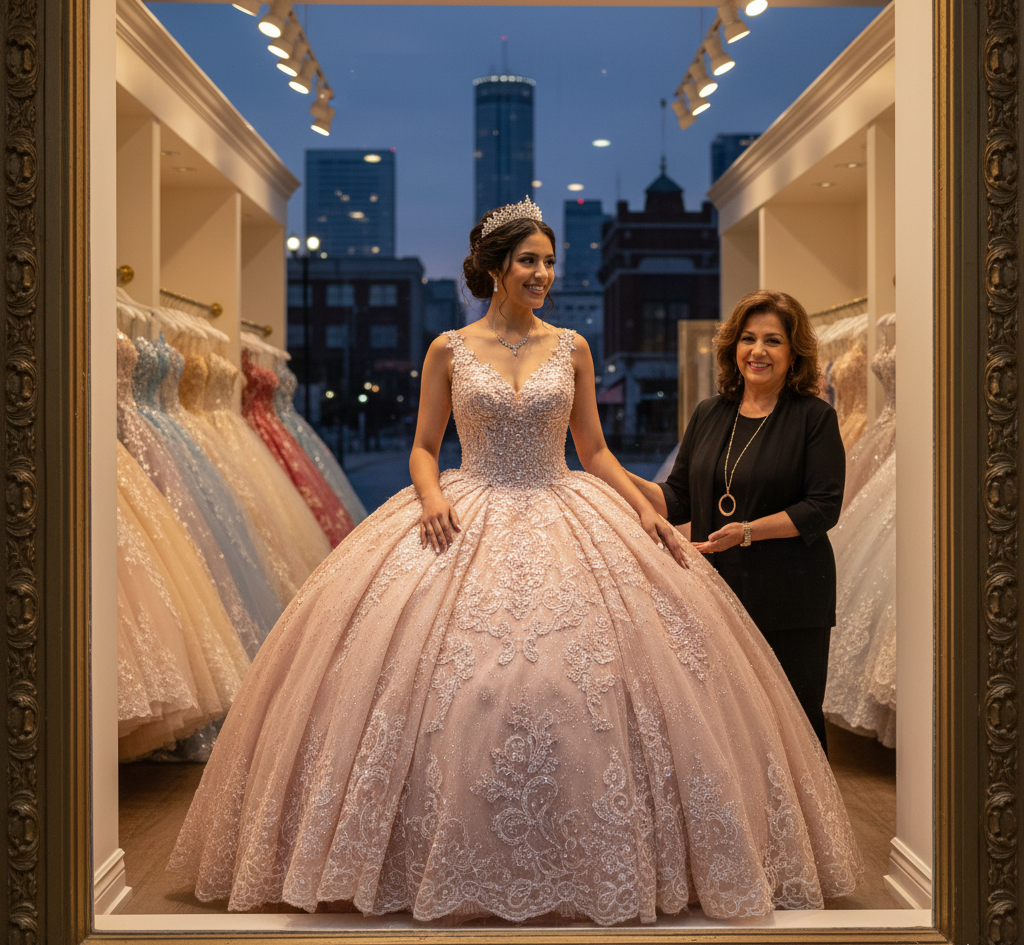
I remember the first time I searched for a quince dress store for a family member — the options felt endless and the stakes felt high. If you’re planning a quinceañera in this area, you want a dress that fits the vision, the budget, and the timeline. For broader local context about community demographics and planning needs, I often check national data to understand how many families in a region are planning major events each year https://www.census.gov. That background helps me recommend realistic shopping strategies and timelines.
Why a dedicated quince dress store matters
Not every formal wear shop specializes in quinceañeras. A dedicated quince dress store focuses on the styles, silhouettes, and construction that make a quince dress feel special — corseted bodices, full ball-gown skirts, detachable trains, and beaded embellishments. These shops also tend to understand the cultural importance of the event, offer more on-trend options, and can advise on modesty panels, two-piece looks, and modern twists that still honor tradition. When you walk into the right place, you get personalized attention and an experienced ear for what will work best on your daughter and for your celebration.
What’s trending in quince fashion right now
Trends change seasonally, and right now I’m seeing a few consistent themes that blend current runway looks with quinceanera tradition.
- Soft, romantic color palettes — blush, muted lavender, champagne, and ice blue are replacing plain white and bright pink for many families seeking a modern look without losing romance.
- Sustainable fabrics and ethical production — more stores and designers are offering options made with recycled materials or low-waste techniques to appeal to eco-conscious shoppers.
- Mix-and-match styles — two-piece gowns, removable skirts, and convertible silhouettes let girls change looks during the event for both ceremony and reception photos.
- Virtual fittings and AR previews — several boutiques now offer online try-on tools and remote consultations to accommodate busy families and out-of-town guests.
Start early: a realistic quince dress shopping timeline
Timing is one of the biggest stress points families face. Dresses are often ordered from designers, may require months of processing, and frequently need multiple rounds of alterations. From my experience helping clients plan, this timeline is a safe approach that reduces last-minute panic:
- 9–12 months before: Begin researching styles and visiting local boutiques to try silhouettes and find a dress you love.
- 6–9 months before: Place your order if you’ve chosen a designer piece that needs to be made or shipped.
- 1–3 months before: Schedule your first major alteration appointment once the dress has arrived and a second fitting a few weeks later to finalize the fit.
- 2–4 weeks before: Final fitting and pick-up; confirm accessories and undergarments.
How to set a budget that covers everything
Price is a common pain point. A quince dress itself is often only part of the total cost. I always advise families to build a realistic budget that includes the dress, alterations, accessories, undergarments, and preservation if desired. Here’s a simple approach I use with clients:
Budget breakdown
Allocate your budget into these categories so you’re not surprised later:
- Dress purchase (including deposit and shipping).
- Alterations (several fittings, sometimes expected if the dress is substantial).
- Accessories (shoes, crown or headpiece, jewelry, bolero or capelet).
- Preservation or cleaning after the event, if you plan to keep the gown in pristine condition.
How to pick the right silhouette for her
Choosing a silhouette is about comfort, confidence, and the overall vision for the day. I always start by asking what the honoree wants to feel — princessy, modern, understated, or a mix. Then I narrow down options by body shape and mobility needs so she can dance and enjoy the celebration without fuss.
Silhouette quick guide
These classic shapes help guide a decision:
- Ball gown: Dramatic and traditional, great for making a statement but can be heavy.
- A-line: Flattering on almost every body type and easier to move in than a full ball gown.
- Two-piece or detachable skirts: Offer flexibility for ceremony and reception looks.
<li mermaid or trumpet: Form-fitting and dramatic, best for confident wearers who want a glamorous silhouette.
Questions to ask at any quince dress store
When you visit a boutique, having a short list of questions keeps the appointment focused and productive. I recommend asking about timelines, alteration services, return and exchange policies, and what the store recommends for shoes and accessories that match the dress’s structure.
Essential questions
Bring these to your appointment to get clear answers and avoid surprises later:
- Is this dress a sample or made-to-order? If made-to-order, what is the expected lead time?
- Does the boutique offer in-house alterations, or do they recommend a preferred tailor?
- Are there additional fees for beading or customization?
- What is the deposit and final payment schedule? Is there a cancellation policy?
Fitting tips that actually work
A well-run fitting appointment changes everything. From my experience, these practical tips help the fitting go smoothly and ensure you leave with confidence.
Before the appointment
Bring the shoes you’ll wear on the day (or a similar heel height), choose seamless undergarments that match the dress color, and bring a trusted friend or family member whose opinion you value but who won’t overwhelm the honoree. If the event has a color or theme, bring photos for reference so the stylist understands the vision.
During the appointment
Communicate comfort and mobility needs; if she dances a lot, make sure there’s enough room in the skirt and torso. Ask the stylist to walk, sit, and take photos so you can preview movement and camera angles. Take at least one standing and one walking video — pictures don’t always show fit in motion.
Alterations: what to expect and common fixes
Alterations are a normal part of the process. Common fixes include bust support, waist tapering, hem adjustments, and adding cups or internal structure for better shape and comfort. For heavy ball gowns, a bustle or removable underskirt can make the reception far more comfortable. Plan for at least two fittings if the dress requires significant changes.
Accessories that complete the look
Accessories can transform a dress from pretty to unforgettable. I always suggest choosing a focal accessory — a crown, a statement necklace, or a dramatic veil — and then keeping the rest simple so the focal piece shines. Don’t forget functional accessories too: a slip or corset for comfort, proper undergarments for shape, and nonslip shoe grips for dancing.
How to handle last-minute changes
No one plans for everything, and sometimes a dress arrives late, or an alteration doesn’t sit right. I’ve helped families through these late shifts by prioritizing what must be fixed for the event and what can wait until after the celebration. If time is tight, consider temporary fixes like tacking a hem for the day or adding a simple belt to hide a minor fit issue. Communicating with your boutique early — and honestly — usually opens options like rush services or temporary alterations.
Virtual shopping and tech options
Given travel constraints and busy schedules, many boutiques now offer virtual consultations, Zoom fittings, or augmented reality previews to help you narrow choices before an in-person appointment. Use these tools to test colors and silhouettes so the in-store visit is efficient and focused. If you rely on virtual tools, ask about return policies for sample dresses and how the boutique handles measurements remotely.
What local stores should offer to stand out
A standout local quince dress shop typically provides experienced stylists who understand quince traditions, sensible timelines for orders and alterations, a range of sizes including extended options, and flexibility like private appointments or after-hours fittings for larger families. Helpful extras include on-site tailoring, preservation partners, and accessory matching so you can finish the look in one place.
How to make the most of a boutique appointment
Preparation makes appointments productive and enjoyable. I recommend bringing a style board (digital or printed), a realistic budget range, and a list of must-haves versus nice-to-haves. If privacy is important, ask for a private or appointment-only time so the honoree can try dresses without pressure. Lastly, keep the appointment light and fun; the best decisions come when everyone is relaxed and excited.
Common mistakes and how to avoid them
Families often make the same missteps when shopping. Avoid these to keep stress low:
- Waiting too long to order a custom dress; rush fees are costly and may limit options.
- Not planning for alterations — even off-the-rack dresses usually need tweaks.
- Overbuying accessories early; sometimes a dress changes how you want to accessorize, so wait until the final fitting for big accessory purchases.
- Bringing too many decision-makers; limit the group so the honoree’s voice remains central.
How the right boutique solves problems
A reliable quince dress store reduces stress by providing clear timelines, trusted alteration partners, and open communication. When a shop offers in-house or recommended tailors, private appointments, and knowledgeable stylists who listen, you get a smoother process and a dress that fits both vision and reality. Their experience with timing, shipping, and logistics is often the difference between a calm planning season and last-minute scrambling.
Final planning checklist before the big day
Use this checklist in the final weeks to make sure everything is in place and you can enjoy the celebration without last-minute headaches:
- Confirm the final fitting date and pick-up timeline for the dress.
- Gather shoes, undergarments, and accessories and bring them to the last fitting for final adjustments.
- Arrange dress transport and storage before and after the event, and schedule preservation if desired.
- Confirm timeline with the stylist so everyone knows when the dress will be ready and how to handle any unexpected issues.
Planning a quinceañera is a beautiful process filled with choices, traditions, and meaningful moments. If you take the time to research styles, visit a boutique with a clear plan, and leave room for professional tailoring, you’ll find a gown that feels right for the day and for years of photos and memories.
When you’re ready to take the next step and see real dresses in person, I recommend scheduling a private appointment. For a full selection of quinceañera gowns and an experienced team who can walk you through fittings, alterations, and accessories, visit So Sweet Boutique.